
Broken Down on the Highway? What to Do While You Wait for a Tow
August 31, 2026
QUICK ANSWER: If your car breaks down on the highway, take your foot off the gas at the first sign of trouble and coast smoothly to the nearest shoulder without braking hard. Turn on your hazard lights, set the parking brake, and note exactly where you are, including the direction you were traveling and the closest mile marker or exit. In most cases it is safer to stay buckled inside the vehicle and call for help than to stand in the flow of traffic. When you reach a tow operator, give a precise location, describe the vehicle, and explain the problem so the right truck is sent. Then wait somewhere protected until help arrives.
The dashboard light flickers, the engine loses its pull, and suddenly your car is slowing on a stretch of I-64 with traffic still moving fast on both sides. It happens to careful drivers every day across Chesapeake and the wider Hampton Roads area, often on the busy connectors near the tunnels and bridges where there is little room to stop. A breakdown is stressful, but the minutes right after it are the ones that matter most for your safety.
What you do in those first moments shapes how the rest of the situation goes. The goal is simple: get the vehicle to the safest spot you can reach, make yourself visible, and get accurate help on the way. Here is how to handle a breakdown step by step, and how to stay protected while you wait for a tow.
The First Few Seconds: Getting Off the Road Safely
At the first hint of trouble, ease your foot off the accelerator instead of stabbing the brakes. Sudden braking on a highway can surprise the drivers behind you and cost you control. Let the car coast and lose speed gradually while you steer toward the edge of the road.
Aim for the shoulder. In most situations you want the right shoulder, on a flat surface as far from moving traffic as you can get. If a left shoulder is closer and clearly safer to reach, that can work too. If you are near an exit ramp or a rest area and the car will still roll, coasting there gives you far more room than a narrow shoulder.
Set up so the car stays put. Once you stop, engage the parking brake. If you have come to rest on any kind of slope, turn your wheels away from the road so the vehicle cannot drift into a travel lane. Put your hazard lights on the instant you know something is wrong, even before you have fully stopped, so drivers behind you get early warning.
Try to avoid stopping on a bridge or inside a tunnel if there is any way to keep rolling to open shoulder. Several of the region's key crossings have tight shoulders or none at all, and those are the worst places to sit. If a breakdown leaves you stuck in a tunnel, stay in the car, put on your hazards, and call 911 or the posted emergency number so a patrol can respond quickly.
Once You Have Stopped: Stay Put or Step Out?
This is the decision that trips up a lot of drivers. The instinct is to hop out and look under the hood, but on a live highway that is one of the riskier things you can do. Safety guidance from national road and driver-safety groups is consistent: if you cannot move the car to a truly safe place, it is usually better to stay inside, keep your seat belt buckled, and call for help from where you sit.
If you do need to get out, for example because the car is smoking or you smell fuel, exit through the door facing away from traffic. Never open a door into a live lane. Once outside, move well clear of the vehicle and away from the traffic side. If there is a guardrail, get behind it. Standing a good distance ahead of or beside the car, on the far side from passing traffic, keeps you out of the path if another vehicle drifts onto the shoulder.
Virginia, like most states, has a move-over rule that asks drivers to shift a lane or slow down for stopped vehicles with flashing lights, including tow trucks and disabled cars. It helps, but not every driver follows it, so never count on traffic giving you room. Treat the travel lanes as if no one will move for you, and keep your body out of them.
TIP: A small emergency kit turns a bad moment into a manageable one. Keep reflective triangles or road flares, a flashlight, a reflective vest, a phone charger, drinking water, and a basic first-aid kit in your trunk. Add a warm blanket in winter, since a stalled car cools off fast on a cold Hampton Roads night.
Making Yourself Visible to Traffic
After you are stopped and safe, the next job is to make the car impossible to miss. Leave the hazard lights running. If it is safe to walk behind the vehicle, set out reflective triangles at increasing distances back from the car so approaching drivers get plenty of notice, especially around a curve or over a rise.
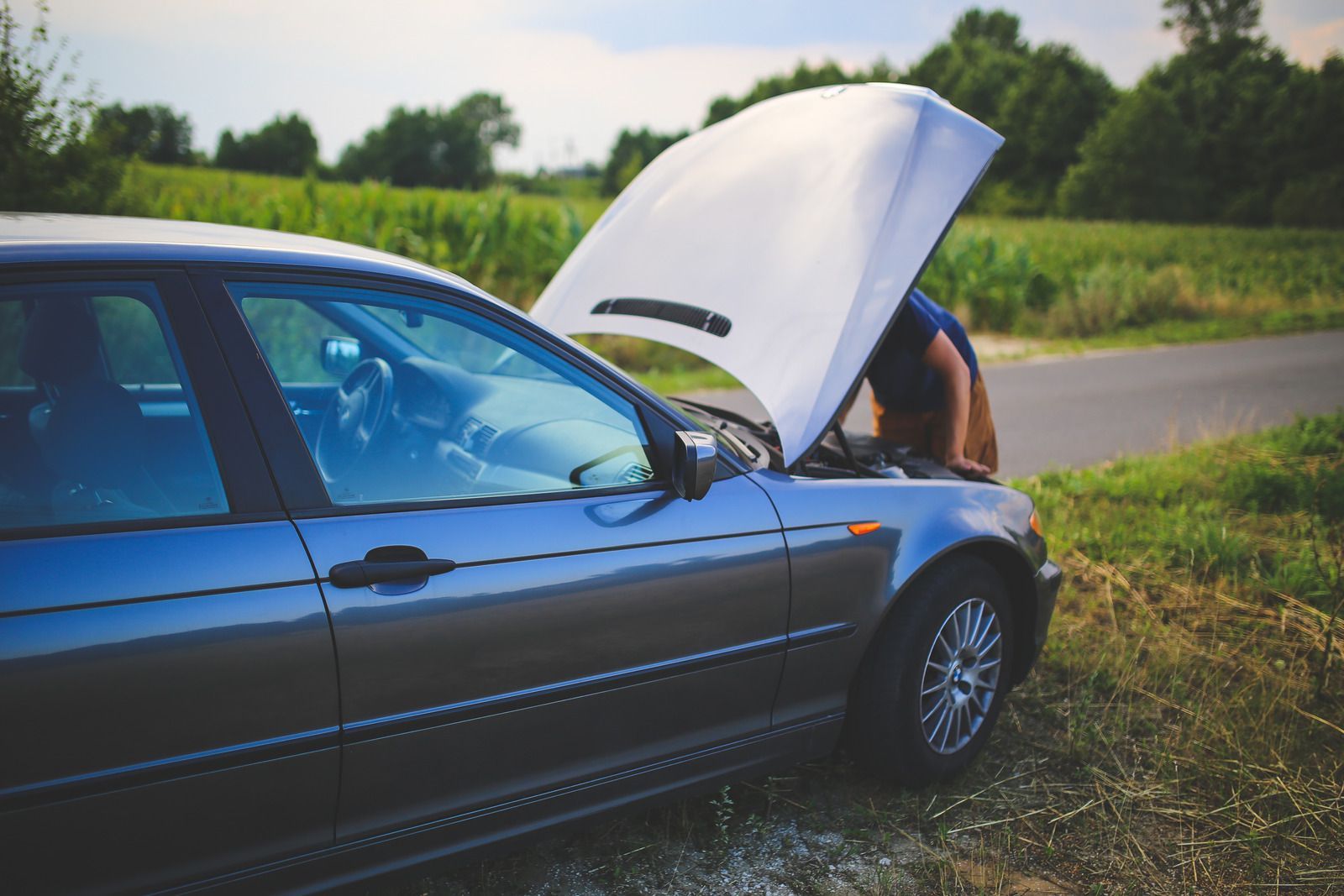
Flares work too, but skip them if you smell gas or suspect a fuel leak, since an open flame near leaking fuel is dangerous. Propping the hood is another simple signal that tells other drivers and passing patrols that the car is disabled rather than briefly stopped.
Visibility matters even more at night and in the fog and rain that roll through the coastal region. A reflective vest makes you far easier to see if you have had to step out, and a flashlight helps you flag your location to the tow operator when the truck arrives.
Pinpointing Where You Are So Help Arrives Fast
The single biggest thing that speeds up a tow is a precise location. Before you call, look around for clues you can pass along. Note the highway you are on and the direction you were traveling, since a spot on I-264 eastbound is very different from the westbound side. Check for the nearest mile marker, the last exit you passed or the next one ahead, and any landmark such as a bridge, interchange, or shopping center you can see.
When you reach a dispatcher, give that location first, then describe your vehicle by make, model, and color so the driver can spot it. Explain the problem in plain terms, whether the engine died, a tire blew, or the car will not start, because that tells the operator which type of truck to send. Mention whether you are safely off the road or still partly in a lane, and say if there are children, pets, or anyone with medical needs in the car. Clear details up front mean the right help rolls out the first time instead of circling back.
WARNING: Do not try to change a tire or make a repair on the side of the car facing traffic, no matter how minor it seems. Move the vehicle to a genuinely safe spot first, even if that means driving slowly on a flat and ruining the wheel. A rim is replaceable; standing in a travel lane is a gamble no repair is worth.
What Happens While You Wait for the Tow
Once help is on the way, settle in where you are protected, usually buckled inside the car if it is off the road, or behind a barrier if you have had to step out. Keep your phone handy in case the driver calls for directions, and keep the hazards flashing until the truck arrives.
Be cautious about accepting help from strangers who pull over. Most people mean well, but you have no way to know, and a professional operator is already coming. If someone stops, you can thank them through a cracked window and let them know a tow is on its way. If you ever feel unsafe, call 911.
When the tow truck arrives, the operator will decide how to load your car based on its condition. A flatbed carries the whole vehicle and is common for cars that will not roll or have all-wheel drive, while a wheel-lift setup lifts one end for shorter local moves. The driver will confirm where the car is going, whether that is a repair shop, your home, or a storage yard, so have a destination in mind. From there, the hard part is over, and you are back off the shoulder and out of harm's way.
Frequently Asked Questions
Should I stay in my car or get out after breaking down on the highway?
How do I know exactly where I am to tell the tow operator?
Is it safe to change a flat tire on the shoulder?
What should I keep in my car in case of a breakdown?
What if I break down in a tunnel or on a bridge?
How long will I have to wait for a tow?
Fast, Dependable Towing Help Across Hampton Roads
A highway breakdown is never on the schedule, but a calm, step-by-step response keeps a rough moment from becoming a dangerous one. Get to the shoulder, make yourself seen, share a precise location, and wait somewhere protected. Do those four things and you have handled the situation the way the professionals would want you to.
When you are stranded on a Hampton Roads highway, fast and dependable help makes all the difference. Snapper's Towing Hauling
provides towing and
roadside assistance
across Chesapeake, Norfolk, Portsmouth, and Suffolk seven days a week, sending a local truck to get you off the shoulder and safely back on the road.