
What to Tell a Tow Dispatcher So Help Arrives Faster
September 30, 2026
QUICK ANSWER: A tow dispatcher needs four things to send help quickly: your exact location, a description of your vehicle, what went wrong, and a phone number where you can be reached. Give the road or cross streets first, since that determines which truck can even reach you. Describe the vehicle by make, model, and color, and say plainly whether it rolls, whether it was in a crash, and who else is with you. The more specific you are in the first thirty seconds of the call, the less time a driver spends searching for you once they are on the way.
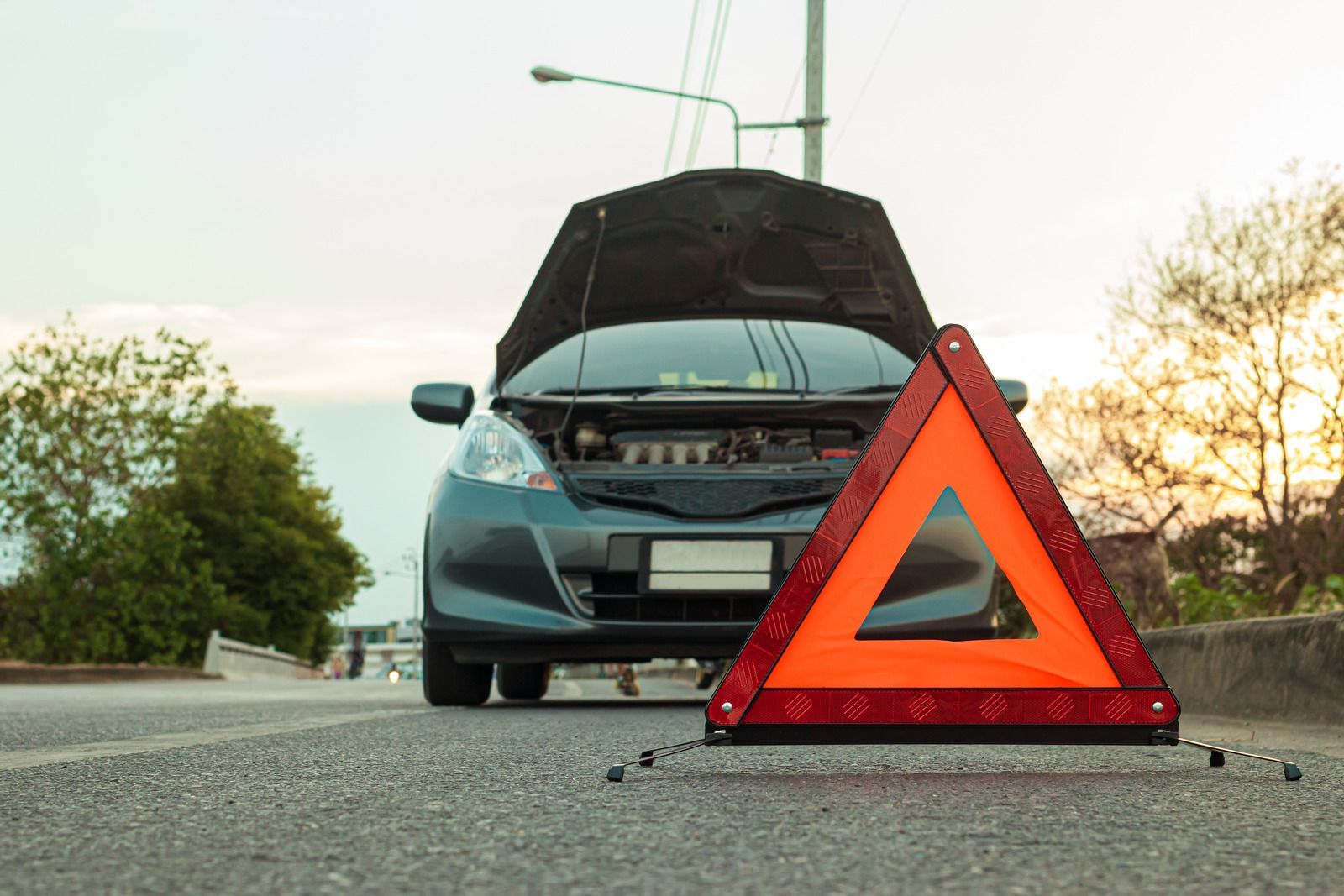
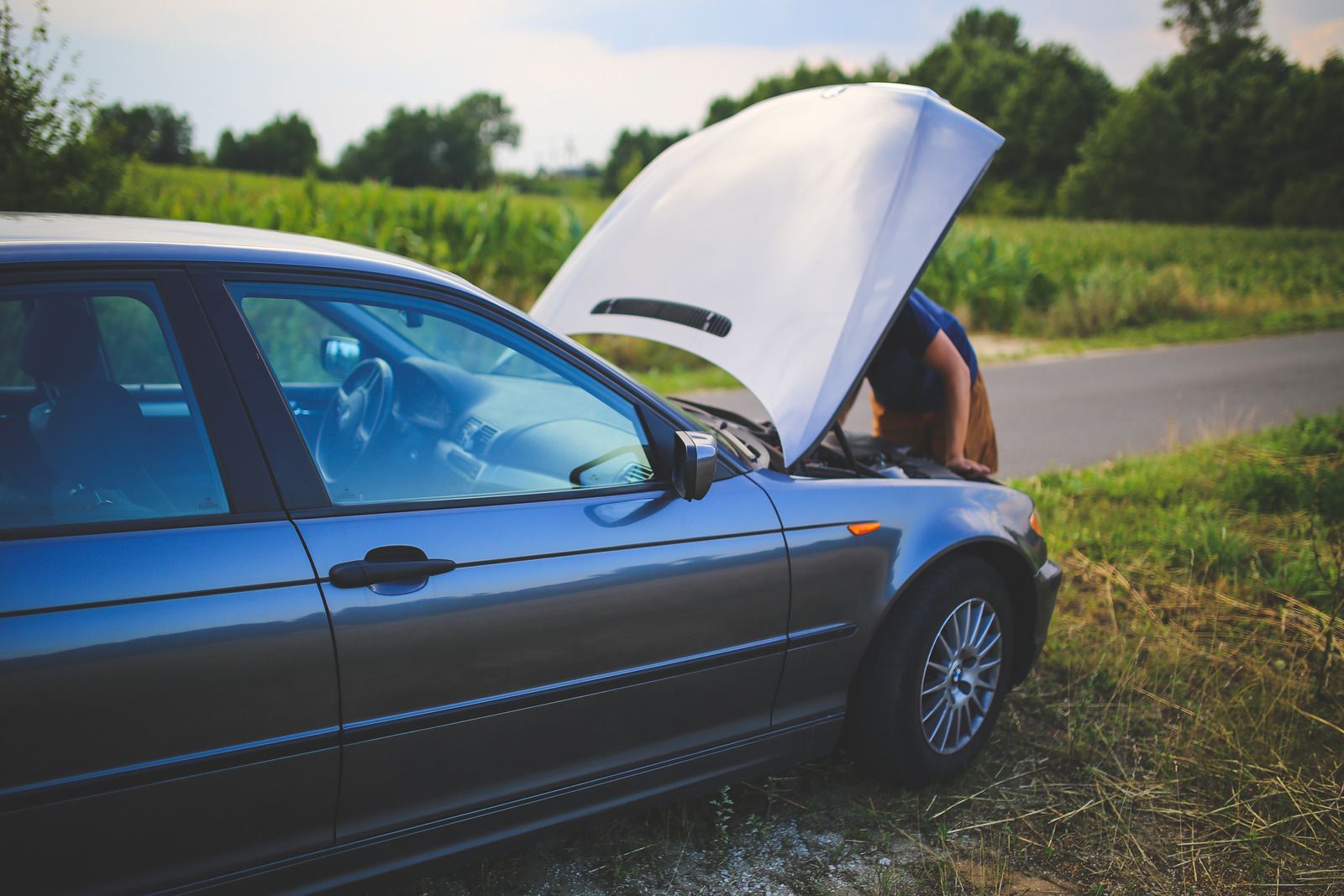
A phone rings at a dispatch desk in Chesapeake, and on the other end is a driver standing beside a car that will not start, somewhere in a shopping center parking lot off Battlefield Boulevard. The dispatcher's first questions are not small talk. They are trying to build a picture fast: where is this car, what kind of car is it, and what does the driver actually need. How that picture comes together determines whether a truck rolls out in minutes or circles the wrong parking lot for twenty of them.
Most people have never thought about what a tow dispatcher actually needs to hear. They call, describe the problem in general terms, and hope for the best. A short, well ordered call does more than save a few minutes. It gets the right truck, with the right equipment, sent to the right spot the first time.
Why the Details You Give Decide Which Truck Shows Up
Not every tow truck is built the same way, and a dispatcher uses what you tell them to pick the right one. A flatbed carries the entire vehicle on a deck and is standard for cars that will not roll, have all wheel drive, or were in a collision. A wheel lift setup raises one end of the car and works well for a short, simple move when the vehicle still rolls freely. Sending a wheel lift truck to a car with a locked axle, or a flatbed when a simple wheel lift would have done the job faster, wastes time that a clearer call would have saved.
The same logic applies to crew and equipment. A car stuck against a curb or partly off a shoulder may need a winch. A vehicle in a parking garage with low clearance needs a driver who knows the truck will fit. None of that gets decided correctly if the dispatcher only hears "my car broke down." Specifics about what happened and where the vehicle is sitting let the company match the job to the right truck before it ever leaves the yard.
The problem, in your own words, matters too. You do not need a mechanic's vocabulary. Saying the engine will not turn over, the car is making a grinding noise, or a tire blew out on the highway gives the dispatcher enough to work with. Guessing at a diagnosis is not necessary and can actually send the wrong equipment if it turns out to be wrong.
Pinpointing Your Location So the Driver Doesn't Have to Search
Location is the single detail that affects everything else about how fast help arrives. If you are on a numbered road or highway, give the road name and the direction you were traveling, since one side of a divided road can be miles from the other by the time a driver reaches it. A nearby exit, mile marker, or cross street narrows things down even further.
If you are in a neighborhood, a business lot, or somewhere without clear signage, look for anything identifiable nearby: a store name, a street address on a building, an intersection, or a distinctive landmark like a church or gas station. In the Hampton Roads area, a lot of side streets and business parks look similar from a driver's seat, so a specific name beats a general description every time.
TIP: If you are not sure of your exact address, open the map app on your phone. It will usually show your location with a nearby street name or address even without a strong cell signal, and many dispatch systems today can accept a shared location link by text. Reading off what your map app shows, or sending the pin directly if the company offers that option, removes almost all guesswork from finding you.
Vehicle and Situation Details That Matter
Once the dispatcher knows where you are, they need to know what they are looking for and who they are helping. The vehicle's make, model, and color are usually enough for a driver to spot it among other parked or stopped cars. If you know the situation is more involved, such as the car being in a garage, behind a locked gate, or down an embankment, say so up front rather than letting the driver discover it on arrival.
Mention whether the vehicle is drivable or completely stuck, since that changes both the equipment and the approach. Let the dispatcher know if you were in a collision, since a driver handling an accident recovery may move more carefully around damaged panels, broken glass, or fluid on the road, and may coordinate differently than for a simple breakdown.
Passengers, pets, and anyone with you matter too. If you have children, an elderly passenger, or a pet in the car, a quick mention helps the dispatcher understand the urgency and lets the driver plan for it. The same goes for keys locked inside the vehicle or a situation where you are locked out entirely, since that is a different kind of call than a car that will not start.
Your Contact Information and Staying Reachable
Give your name and a phone number where you can actually be reached, and keep that phone charged and within reach for the rest of the call. Drivers sometimes need to call back to confirm a turn, ask about a gate code, or let you know they are two minutes out. A call that goes straight to voicemail after the dispatcher hangs up can slow things down right when you are closest to getting help.
If insurance or a membership program is involved, having your policy or membership details on hand speeds up that part of the conversation, though it is not something you need to sort out before you call. The dispatcher can usually walk you through what is needed once the truck is on its way.
Common Mistakes That Slow Down a Tow Dispatch
A few habits show up again and again in calls that take longer than they should. Guessing at a cross street instead of checking a map app sends a driver to the wrong block. Leaving out that a car will not roll at all means a wheel lift truck arrives and has to be swapped for a flatbed, adding a second wait. Not mentioning a collision can catch a driver off guard when they arrive expecting a simple breakdown.
Rushing through the call without confirming the dispatcher heard the location correctly is another common issue. It takes only a few extra seconds to repeat the street name or cross street back, and it catches mishearings before a driver is sent the wrong way. A calm, complete first call is almost always faster in total than a quick one that needs a follow up.
WARNING: Only get into a vehicle, hand over your keys, or agree to a service from a driver whose name and truck details were confirmed by the company you called. Unmarked trucks occasionally show up uninvited at breakdowns or accident scenes looking for quick business. A legitimate dispatcher can always tell you the driver's name and describe the truck before it arrives, and you are within your rights to ask.
Frequently Asked Questions
What is the very first thing a tow dispatcher will ask me?
Most dispatchers ask for your location first, since that determines which driver can reach you soonest. Have your road name, cross street, or landmark ready. Everything else in the call follows once location is confirmed.
Do I need my exact street address to call for a tow?
An exact address helps but is not required. A cross street, mile marker, business name, or landmark works equally well, especially if you check your phone's map app. The goal is giving dispatcher enough information.
What if I do not know what is wrong with my car?
Dispatchers do not expect a diagnosis. Describing what you noticed, such as a warning light, grinding sound, or engine not turning over, is enough. They will send an appropriately equipped truck based on your description.
Should I mention if my car was in an accident?
Yes. Tell the dispatcher about any collision since the driver will approach carefully around damage, debris, or fluid. It also helps the company understand if the tow connects to an accident report or insurance claim.
Can I request a specific type of tow truck?
You can mention a preference, but dispatchers usually recommend the right truck based on your vehicle and condition. All wheel drive or immobile vehicles need flatbeds. Vehicles rolling freely often work well with wheel lifts.
What happens after I give the dispatcher my information?
The dispatcher assigns a driver and gives estimated arrival time. Keep your phone charged and reachable since the driver may confirm a turn, ask for a gate code, or notify you of their imminent arrival.
The Right Words Bring the Right Truck
Everything a dispatcher does in the first few minutes of your call flows from what you tell them. A clear location prevents the driver from searching the wrong area. An honest description of the vehicle and what happened gets the right equipment sent out. Your phone number staying reachable keeps the driver connected as they approach. None of that requires expertise or preparation beyond knowing how to describe where you are and what the problem is.
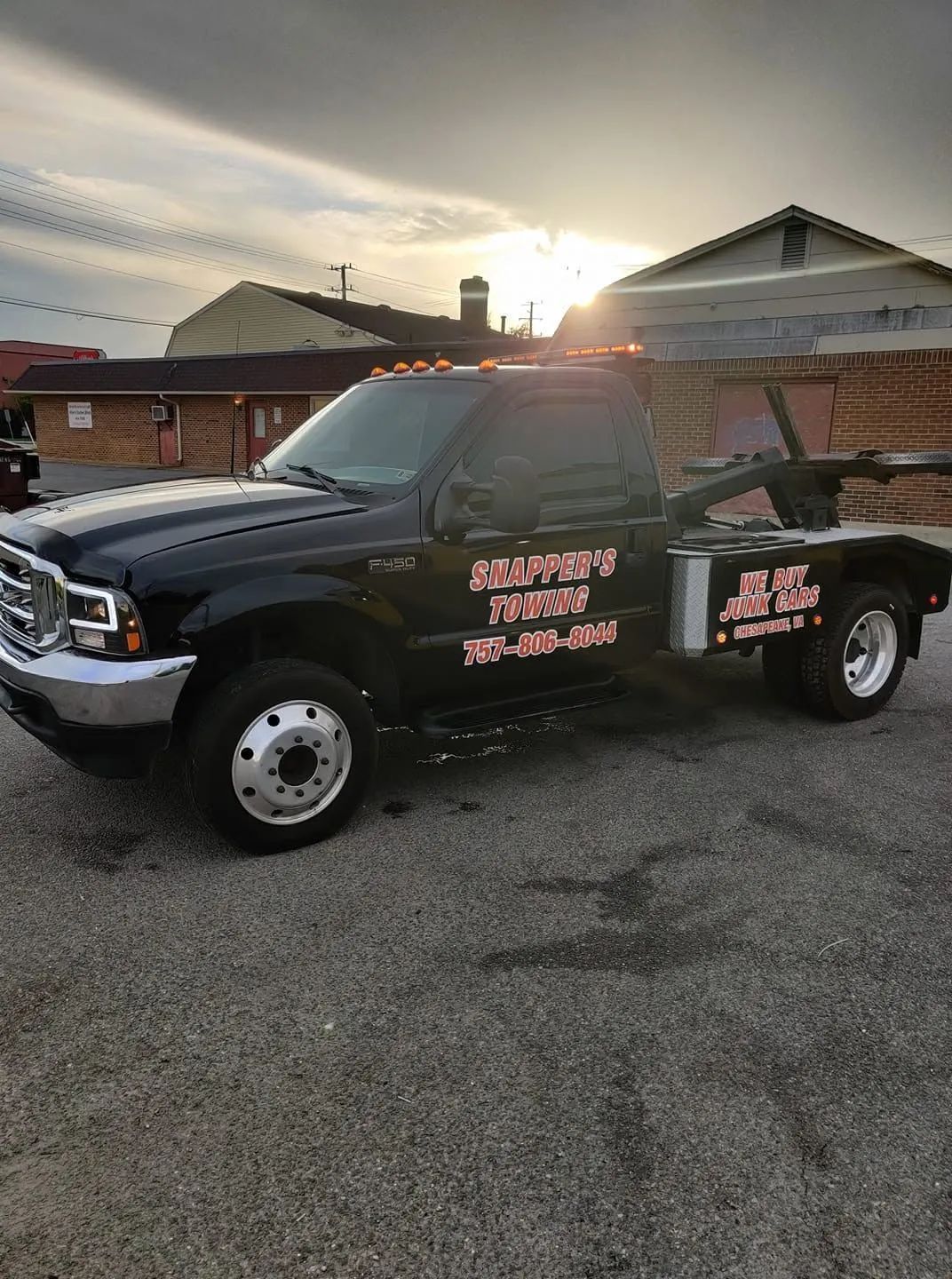
Snapper's Towing Hauling
has spent 17
years responding to breakdowns and collisions across Chesapeake, VA, and the surrounding area. Every call that arrives as a series of clear, organized details gets handled faster than one that requires guessing or follow up questions. The difference is not just minutes saved. It is the difference between a
stressful breakdown
becoming a quickly resolved problem and becoming a half day of waiting. When it happens to you, that clarity matters.