
Roadside and Stranded: Steps to Stay Safe Until Help Comes
October 31, 2026
QUICK ANSWER: When you are stranded on the roadside, safety comes before the car. Get as far from moving traffic as you can, turn on your hazard lights, and put the vehicle in park with the parking brake set. On a busy road or highway, staying buckled inside with the doors locked is usually safer than standing outside. If you must exit, use the side away from traffic and move well off the shoulder. Share your exact location with a tow or roadside company, keep your phone charged, and wait somewhere protected until a marked truck arrives and the driver is confirmed.
The engine coughs, the dashboard lights up, and you coast onto a narrow shoulder as cars pass close enough to rock your mirrors. Maybe it is dusk on a back road in Suffolk, or a rainy evening on a ramp near the Downtown Tunnel. You are not hurt, the car is not going anywhere, and now comes the part nobody practices: the wait.
Most guides about breakdowns focus on the first minute, the coasting and the calling. This one is about everything after that. Help is on the way, but the stretch between your call and the truck pulling up is where a stranded driver is most exposed, and a few calm choices during that window make a real difference to how the whole experience ends.
Make Your Vehicle Easy to See
A parked car on the side of a road is a hazard to everyone approaching it, and visibility is your first form of protection. Hazard lights should be on before you do anything else, and they should stay on until help arrives. If it is dark, turn on your interior dome light as well, since an illuminated cabin helps oncoming drivers recognize that a vehicle is stopped and occupied.
Where you stop matters as much as how. If you have any choice, pull as far right as the shoulder allows, and turn your front wheels away from the roadway. That way, if another car were ever to strike yours, it would be pushed away from traffic rather than back into it. Avoid stopping just past a curve or the crest of a hill, where oncoming drivers have only a second or two to notice you. If your car can still creep forward at a crawl, moving a short distance to a straighter, brighter stretch can be worth it.
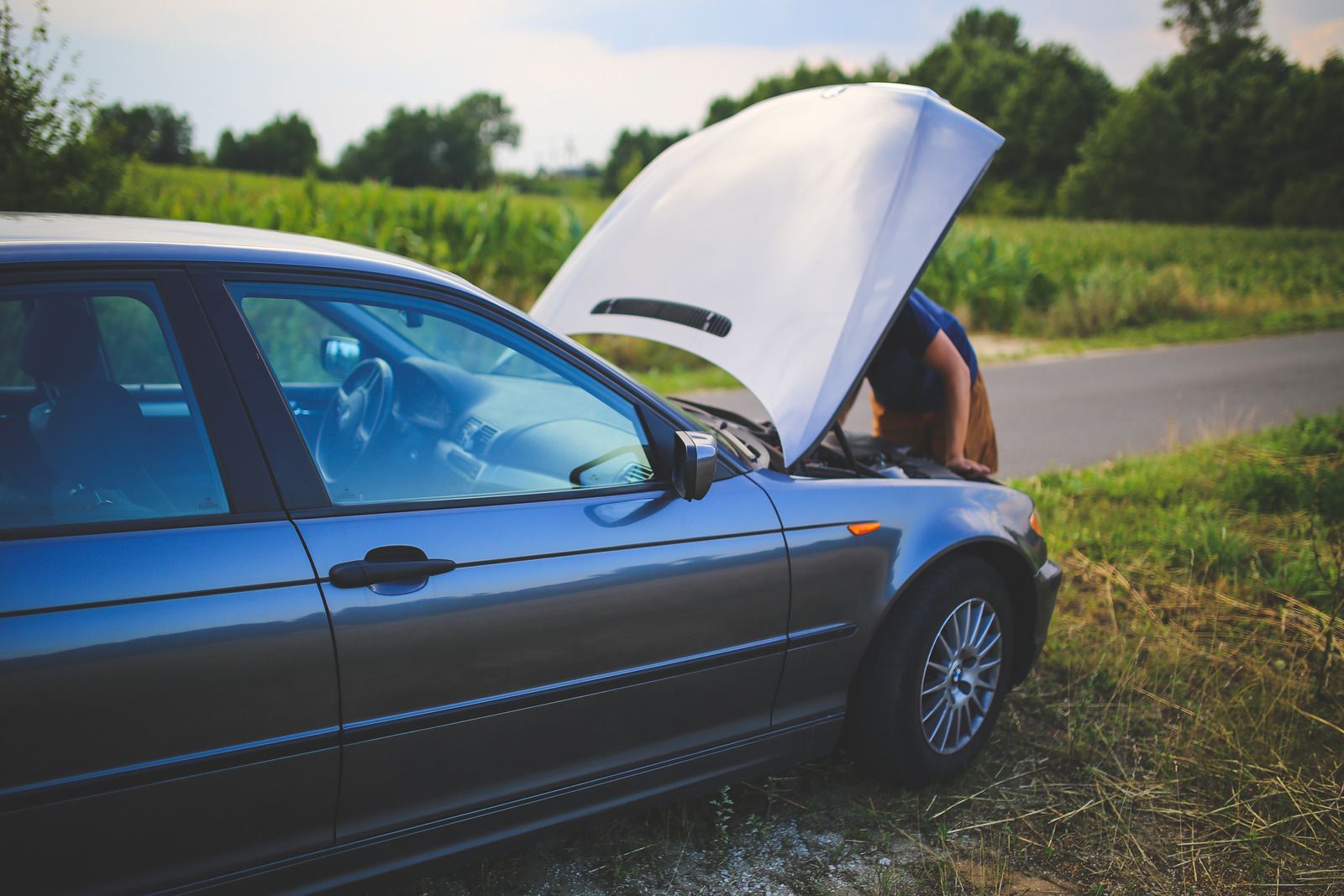
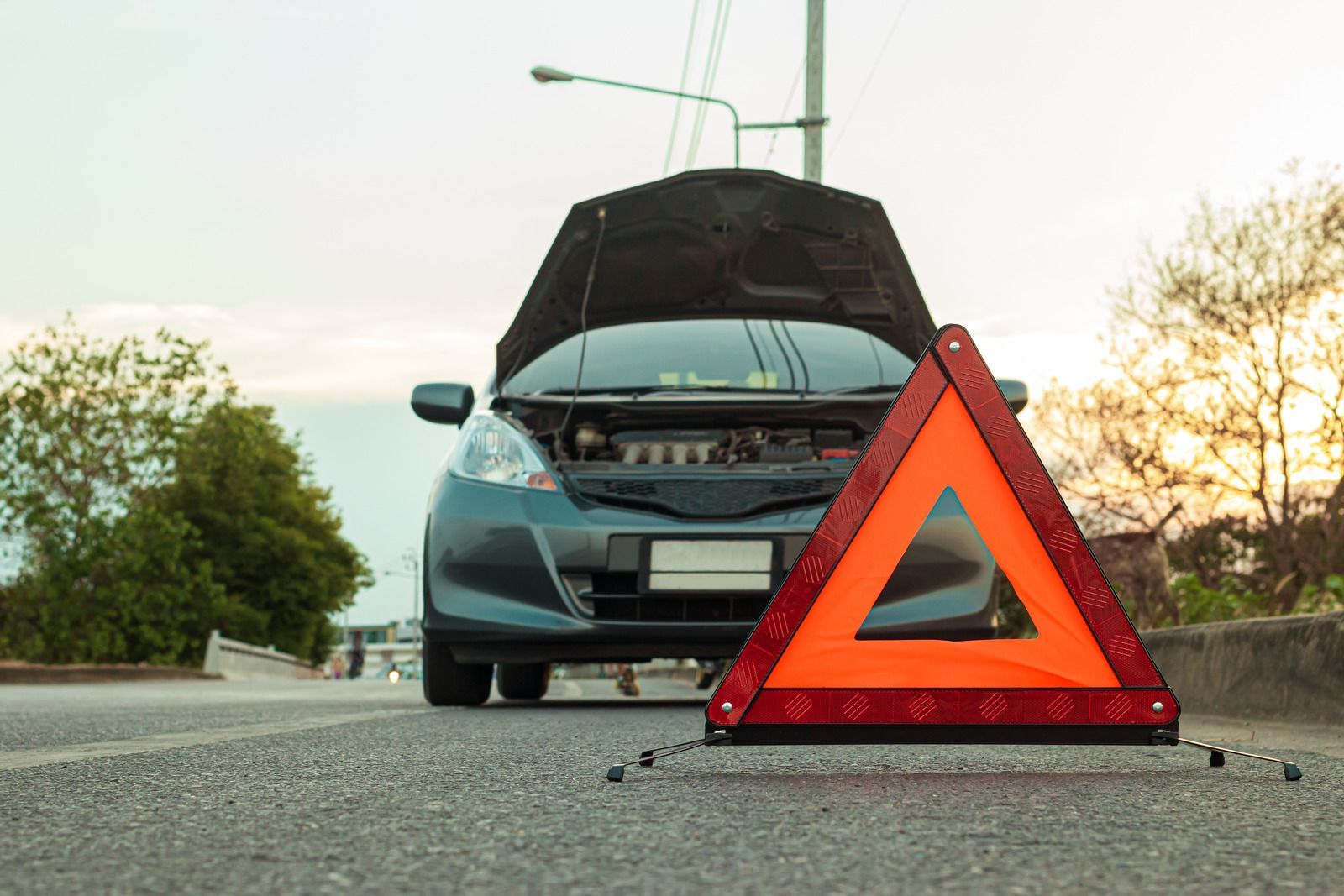
Reflective triangles or flares, if you keep them in your trunk, belong well behind the vehicle, placed only if you can do so safely and away from fast traffic. Many drivers never carry them, and that is fine. A bright cloth tied to the antenna or hung from a raised hood tells approaching drivers the same thing without anyone stepping into the road. Only raise the hood if you can do it from the side away from traffic, and skip it entirely if it means leaning out into the lane.
Decide Whether to Stay Inside or Move Away
This is the question that causes the most confusion, and the honest answer is that it depends on where you are. A shoulder on a high speed highway or bridge is a dangerous place to stand. Drivers drift, look at phones, or fail to notice a stopped car until the last second. In those settings, staying inside with your seat belt fastened and your doors locked is generally the safer choice, because the vehicle itself offers some protection and you are not in a position to be struck while walking around it.
A quieter situation can call for a different decision. If your car is stopped on a residential street, in a parking lot, or on a wide shoulder with a guardrail and open ground behind it, standing a safe distance away from the vehicle may be more comfortable and just as safe. The deciding factor is whether the car is sitting in a spot where another vehicle could plausibly hit it. If the answer is yes, get yourself and your passengers out of that spot. If the answer is no, you have more freedom.
When you do exit, use the door farthest from traffic, and keep a close watch behind you as you open it. Move well beyond the shoulder, behind a barrier or up an embankment if one is available, and keep everyone together. Do not stand directly in front of or behind your own vehicle. A car that is struck while parked can be driven forward or backward into anyone standing in line with it.
TIP: If you decide to wait outside the vehicle, take your phone, any medications you need, and a light jacket or blanket with you before you leave the cabin. Grabbing these in advance means you will not be tempted to walk back to the car while traffic is passing.
Share Your Location With Precision
The better your description, the faster a driver can reach you, and that shortens the time you spend exposed. Before the phone call, take a moment to work out exactly where you are. On a highway, note your direction of travel, the last exit you passed, and the nearest mile marker or overpass. In town, look for the cross street, the building number of a business, or a recognizable landmark such as a gas station or school.
Your phone can do much of this for you. A map app will usually show your position and the closest street even with a weak signal, and many people can send a live location by text to whoever is helping. In the greater Chesapeake area, where side streets, business parks, and rural stretches can look alike, that pin is often the difference between a quick arrival and a driver circling the wrong block.
Once the call is finished, keep your phone on and the volume up. Drivers sometimes need to call back to confirm a turn or ask about a gate. Closing apps you do not need and dimming the screen can stretch the battery on a long wait, which is especially helpful in cold weather when batteries drain faster.
Handle Weather, Heat, and Darkness Calmly
Hampton Roads weather can change quickly, and a breakdown rarely happens at a convenient time. In summer, a closed car can climb to uncomfortable temperatures fast. If the air conditioning is not working, crack the windows slightly, drink water if you have it, and watch anyone in the car who is very young, elderly, or not feeling well. Standing in direct sun for long periods is not a good alternative, so look for shade at a safe distance from the road when you can.
In winter, the opposite concern applies. If the engine still runs, you can use the heater in short bursts, but only if the exhaust pipe is clear of snow, mud, or anything else that could block it. A blocked tailpipe can allow dangerous fumes to build up inside a closed cabin. If the car will not run at all, layers, blankets, and shared body warmth help passengers stay comfortable until the truck arrives.
WARNING: Do not run the engine in a garage, carport, or any enclosed area while waiting, and check that the tailpipe is not blocked before using the heater. Carbon monoxide is odorless and builds up quietly inside a closed vehicle.
Darkness adds its own challenges. A flashlight, even the one on your phone, helps you see your surroundings and makes you visible, but avoid pointing it toward oncoming drivers, since that can blind them. Keep the cabin light on, stay aware of who is nearby, and trust your instincts if a situation feels wrong. If anyone approaches your vehicle in a way that makes you uneasy, you can stay locked inside and speak through a cracked window, or move to a well lit business if one is within a short, safe walk.
Care for Passengers, Children, and Pets
A breakdown is harder with people depending on you. Children get restless and frightened when a trip stops without warning, and a calm adult makes a big difference. Explain in simple terms that the car needs help, that a truck is coming, and that everyone is going to stay together until it arrives. Keep children buckled in their seats if you are staying in the vehicle, and keep a firm hold of small ones if you have moved away from the road.
Pets deserve the same attention. A dog left in a hot car can overheat in minutes, and a nervous animal can bolt if a door opens near traffic. Keep leashes attached before anyone exits, and consider holding a pet carrier on your lap rather than letting an animal roam the cabin. If someone in your group has a health concern or mobility limitation, tell the dispatcher when you call so the driver arrives prepared for it.
Know What a Legitimate Tow Looks Like
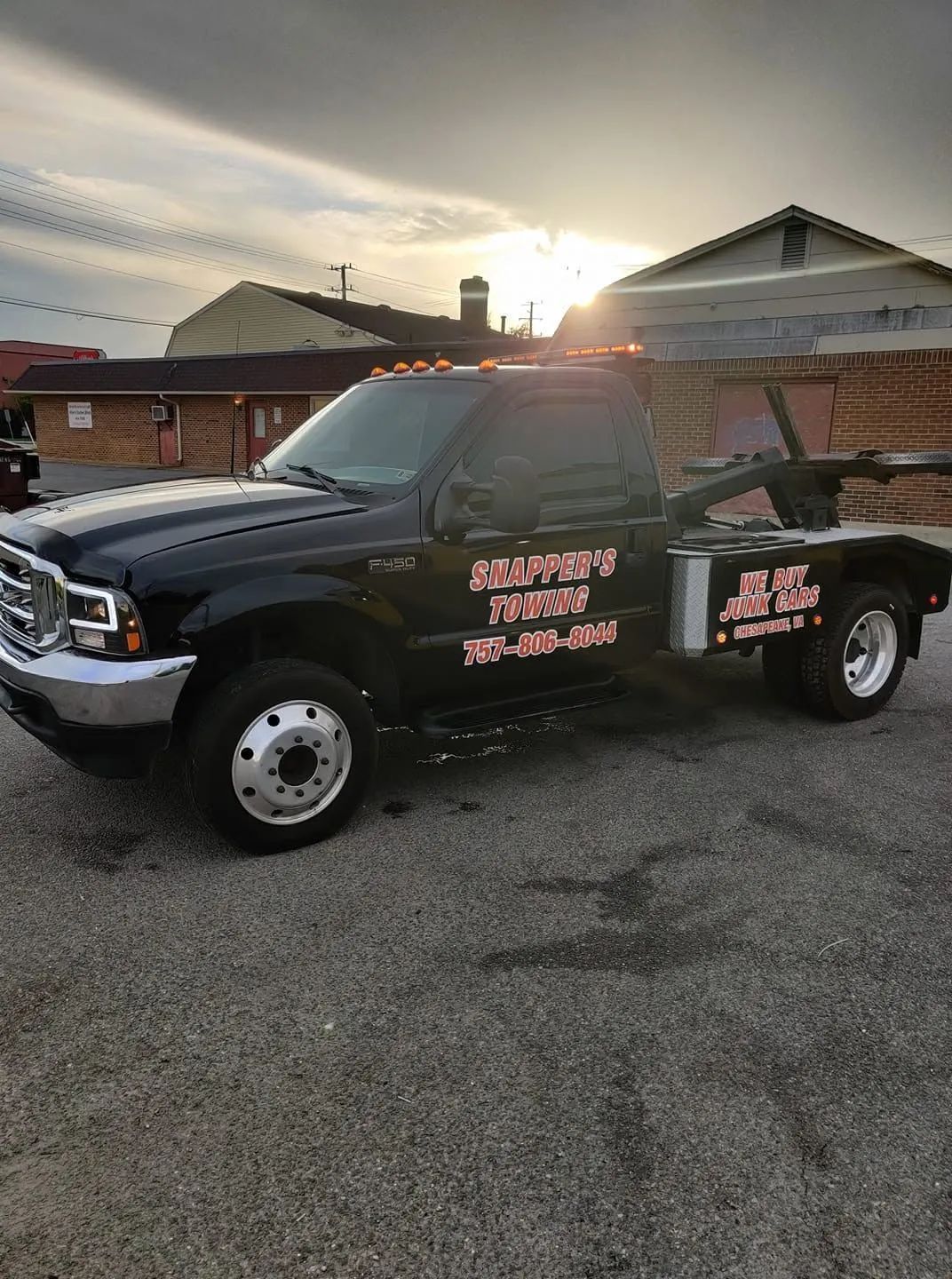
Unfortunately, a stranded vehicle sometimes attracts attention from the wrong kind of helper. Unmarked trucks occasionally appear at breakdowns and accident scenes offering a tow nobody requested. A legitimate company can tell you the driver's name, describe the truck, and give you a rough arrival time before anyone shows up. Check that the truck displays a company name and that the driver can confirm who sent them.
You are free to ask questions before handing over keys or agreeing to a tow. Ask where the vehicle will be taken, and make sure you understand the plan before you leave the scene. A professional driver will not mind and will usually appreciate a customer who is paying attention. If something feels off, it is perfectly reasonable to wait for the company you called rather than go with someone who simply stopped.
What to Do When the Truck Arrives
When your driver pulls up, they will park in a way that shields both the truck and your vehicle where possible, often with warning lights flashing. Stay in your safe spot until they signal that it is okay to approach. They will confirm your name and the vehicle, look the car over, and explain how it will be loaded. A flatbed carries the whole vehicle on a deck, which is typically used for cars that will not roll or that have drivetrain concerns, while a wheel lift raises one end for a simple move.
Before the car leaves, take a moment to gather your belongings. Phones, wallets, medications, child seats, and any items you cannot live without should come out of the vehicle with you. Take a quick photo of the car's condition and your surroundings if you feel up to it, and keep your keys in hand until the driver asks for them. Then let the driver do the work. Loading a vehicle near traffic is their daily job, and it goes best when passengers stay clear and let the process happen.
Plan the next step before you leave the roadside. Decide whether the car is going to a shop, a home, or a storage lot, and confirm how you will get there yourself. Some drivers can take passengers along in the cab, while others cannot, depending on the truck and the circumstances, so it helps to ask early rather than assume.
Prepare Now So the Next Wait Is Easier
Nobody plans to be stranded, but a few items in your trunk turn a frightening wait into a manageable one. A phone charger that works in your car, a flashlight with fresh batteries, a blanket, bottled water, and a few snacks cover most of the comfort basics. Reflective triangles, a high visibility vest, and a small first aid kit add real safety for a modest effort. None of this takes up much room, and all of it is easy to forget until the moment you wish you had it.
Habits help as well. Keep your gas tank above a quarter full, pay attention to warning lights before they become emergencies, and save your preferred towing company's number in your phone so you are not searching for it while stressed. Share your route with someone you trust on longer trips, so another person knows roughly where you should be.
Frequently Asked Questions
Should I stay in my car or get out when I am stranded?
It depends on where you are. On a busy highway or bridge shoulder, staying buckled inside with the doors locked is usually safer. On a quiet street or behind a barrier, standing a safe distance away can be fine.
Should I turn my hazard lights on during the day?
Yes. Hazard lights signal that your vehicle is stopped and tell approaching drivers to slow down. Keep them on until help arrives, and add the interior light after dark.
What should I do if my phone battery is low?
Reduce screen brightness, close unused apps, and switch to low power mode. Share your location and vehicle details first, and plug in a car charger if the engine still runs.
Is it safe to accept help from a stranger who stops?
Be careful with offers of a ride or a tow you did not request. Thank them, say help is on the way, and wait for the company you called.
What should I keep in my car for a roadside wait?
A phone charger, flashlight, water, blanket, reflective triangles, a high visibility vest, and a small first aid kit are practical basics. Check them once a season.
How do I know the tow truck that arrives is the one I called?
The company should give you the driver's name and describe the truck beforehand. The truck should show a company name, and the driver should confirm your name and vehicle.
Stay Calm and Safe Until Help Arrives
A roadside breakdown is stressful, but the wait is far easier to handle when you make good choices early. Turn on your hazard lights, decide whether staying inside or moving away is safer, and give the dispatcher a precise location. Keep passengers together, watch the weather, and stay out of the path of passing traffic. Taking these steps one at a time keeps panic out of the picture and leaves you better prepared when the tow truck finally pulls up.
With 17
years of experience helping stranded drivers in Chesapeake, VA, Snapper's Towing Hauling
has seen how much a calm, well-informed customer shortens the wait and eases the whole recovery. A marked truck, a confirmed driver, and a clear plan for where the vehicle is headed give people confidence at a stressful moment. Drivers who keep a few supplies in the trunk and save a trusted number in their phone tend to get back on the road with far less worry.